event · evt_lachish_final_late_bronze_destruction
Final Late Bronze Age destruction of Lachish
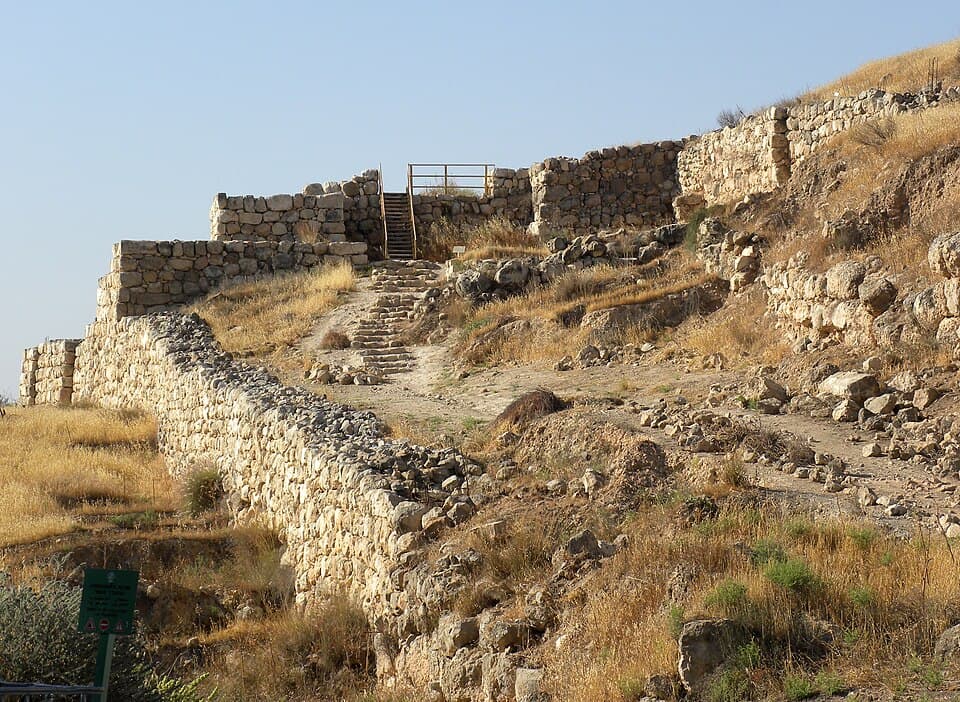
The final Late Bronze Age horizon ended in extensive destruction across several excavation areas, including heavily burned buildings, looting, collapsed architecture, and human remains, followed by prolonged abandonment.
What is the evidence?
observation
The final Late Bronze Age horizon ended in extensive destruction across several excavation areas, including heavily burned buildings, looting, collapsed architecture, and human remains, followed by prolonged abandonment.Review and provenance
Specialist reviewer: not recorded. Review date: not recorded.
Dataset workflow: proposed. This is separate from specialist review.
Confidence describes the stated assessment; it does not certify expert approval. How review works.
Chronology
Dating intervals may describe uncertainty or phases; their width alone does not establish event duration.
1175 BCE–1125 BCE
Precision: archaeological range
Chronology model: Weissbein three-horizon reconstruction
moderateThe final Third Horizon is placed around the middle of the twelfth century BCE. The wider plausible range preserves uncertainty among areas and chronological anchors.
- informs · dates
Revisiting the Late Bronze Age Stratigraphy of Tel Lachish — Weissbein, Itamar (2024)Proposes the final mid-twelfth-century destruction after a short final occupation.
Locator: Third Horizon summary and final remarks
Interpretation and caveats
A severe destructive crisis ended the final Late Bronze Age city around the middle of the twelfth century BCE. The identity of an attacker, if any, is not established.
Event context
Classification
Event type: settlement destruction and abandonment
Evidence layer: archaeological
People and places
Locations: Lachish
Alternative interpretations
- The evidence for refugees, domestic reuse of public buildings, and temple looting may indicate a longer internal and external crisis preceding the final destruction rather than one instantaneous assault. (moderate confidence)
Research notes
- Provides the revised stratigraphy, destruction evidence, date range, and subsequent abandonment. Role: provides archaeological observation. Locator: Third Horizon; summary and final remarks.
Evidence and sources
- informs · provides archaeological observation
Revisiting the Late Bronze Age Stratigraphy of Tel Lachish — Weissbein, Itamar (2024)Provides the revised stratigraphy, destruction evidence, date range, and subsequent abandonment.
Locator: Third Horizon; summary and final remarks
Referenced records
- Lachish · entity