event · evt_lachish_level_vi_end
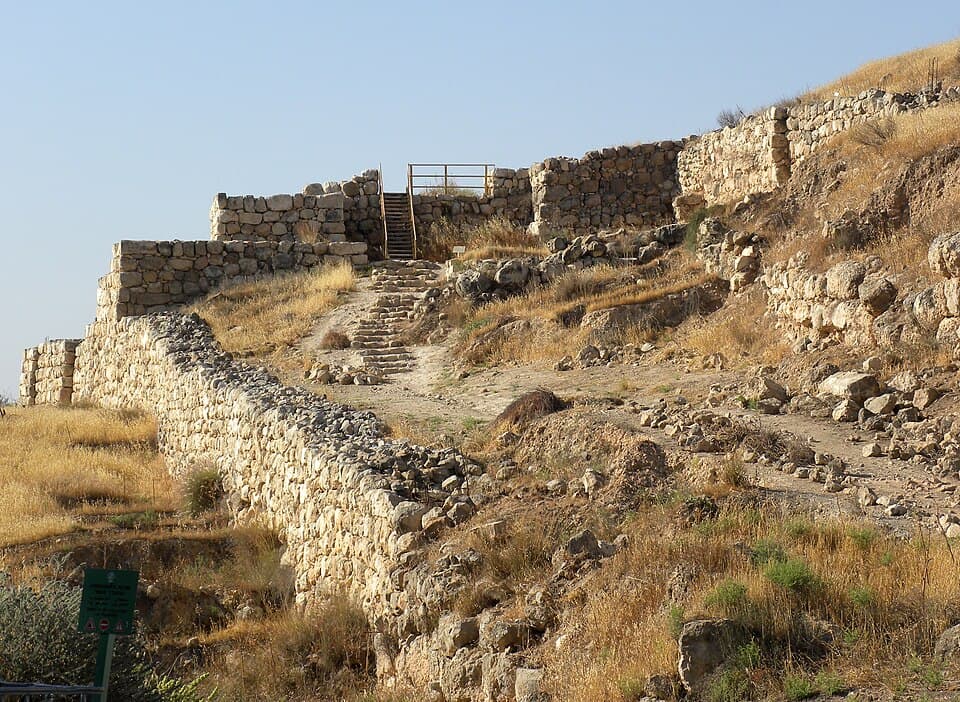
End and destruction of Lachish Level VI
The final Late Bronze city represented by Level VI ended in destruction, followed by a changed settlement trajectory.
What is the evidence?
observation
The final Late Bronze city represented by Level VI ended in destruction, followed by a changed settlement trajectory.proposed causes
The destruction horizon is clear; dating and historical attribution remain contested.
Inspect the sources →Review and provenance
Specialist reviewer: not recorded. Review date: not recorded.
Dataset workflow: proposed. This is separate from specialist review.
Confidence describes the stated assessment; it does not certify expert approval. How review works.
Chronology
Dating intervals may describe uncertainty or phases; their width alone does not establish event duration.
1150 BCE–1100 BCE
Precision: approximate range
Chronology model: best current range
moderateThe destruction horizon is clear; dating and historical attribution remain contested.
- informs · provides archaeological observation
The Renewed Archaeological Excavations at Lachish (1973-1994) — David Ussishkin (2004)Primary stratigraphic evidence.
Locator: Levels VII-VI and final destruction - informs · contextualizes
After 1177 B.C.: The Survival of Civilizations — Eric H. Cline (2024)Provides wider chronological context.
Locator: southern Levant transformation discussion
1140 BCE–1120 BCE
Precision: approximate decades
Chronology model: traditional level vi circa 1130
moderateThe traditional model places the end of Level VI around 1130 BCE, but the absolute date is not a single-year observation.
- informs · dates
The Renewed Archaeological Excavations at Lachish (1973-1994) — David Ussishkin (2004)Provides the traditional site chronology.
Locator: Level VI chronology and destruction
1175 BCE–1100 BCE
Precision: broad range
Chronology model: broader twelfth century
lowA broader twelfth-century range preserves unresolved ceramic and historical alternatives rather than forcing the destruction to one campaign.
- informs · contextualizes
After 1177 B.C.: The Survival of Civilizations — Eric H. Cline (2024)Provides broad regional context.
Locator: southern Levant chronological discussion
Interpretation and caveats
A genuine local destruction whose date and historical agent should be kept separate from Hazor, Gezer, and the conquest narrative.
Event context
Classification
Event type: settlement destruction and transition
Evidence layer: archaeological
Timeline role: regional core
People and places
Why it matters to the timeline
Lachish tests whether southern destruction horizons were synchronous and whether they fit a single conquest model.
Alternative interpretations
- Destruction around 1130 BCE in a late Egyptian or post-Egyptian context.
- An earlier twelfth-century destruction connected to regional conflict.
Research notes
- Primary stratigraphic evidence. Role: provides archaeological observation. Locator: Levels VII-VI and final destruction.
- Provides wider chronological context. Role: contextualizes. Locator: southern Levant transformation discussion.
Evidence and sources
- informs · provides archaeological observation
The Renewed Archaeological Excavations at Lachish (1973-1994) — David Ussishkin (2004)Primary stratigraphic evidence.
Locator: Levels VII-VI and final destruction - informs · contextualizes
After 1177 B.C.: The Survival of Civilizations — Eric H. Cline (2024)Provides wider chronological context.
Locator: southern Levant transformation discussion