event · evt_srsc1_hasanlu_v_iron_i_continuity
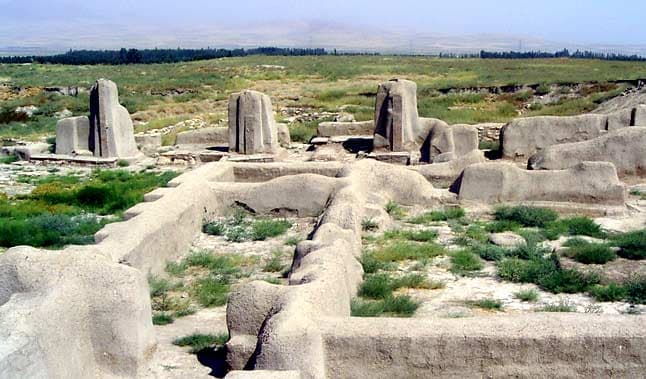
Hasanlu V and Iron I continuity in northwestern Iran
Stratigraphy and ceramic analysis document gradual local development through Late Bronze and Iron I phases before later Hasanlu IV.
What is the evidence?
observation
Stratigraphy and ceramic analysis document gradual local development through Late Bronze and Iron I phases before later Hasanlu IV.The site sequence is strong; the scale of regional interaction and population movement remains debated.
Inspect the sources →Review and provenance
Specialist reviewer: not recorded. Review date: not recorded.
Dataset workflow: proposed. This is separate from specialist review.
Confidence describes the stated assessment; it does not certify expert approval. How review works.
Chronology
Dating intervals may describe uncertainty or phases; their width alone does not establish event duration.
1450 BCE–1050 BCE
Precision: range
Chronology model: release preferred synthesis
highPreferred display range synthesized from the cited source roles. It preserves a range and does not imply every component occurred continuously or synchronously.
- supports · provides archaeological observation
Hasanlu V: The Late Bronze and Iron I Periods — Michael D. Danti, Megan Cifarelli (contributor) (2013)Provides the revised site sequence.
Locator: Stratigraphic synthesis, ceramic analysis, and conclusions - contradicts_or_criticizes · contextualizes and critiques migration
The Late Bronze and Early Iron Age in Northwestern Iran — Michael D. Danti (2013)Places Hasanlu in regional continuity and migration debates.
Locator: pp. 327–376
Interpretation and caveats
The sequence challenges explanations that attribute monochrome burnished wares and Early Iron change solely to incoming populations.
Event context
Classification
Event type: settlement continuity and material change
Evidence layer: archaeological
Timeline role: cross regional context
People and places
Locations: Hasanlu, Hasanlu V and Iron I horizon, Northwestern Iran and south Caspian highlands
Why it matters to the timeline
Hasanlu supplies a directly connected Iranian plateau comparator for the Araxes, Urmia, and South Caucasus transition, without implying one shared culture.
Research notes
- Provides the revised site sequence. Role: provides archaeological observation. Locator: Stratigraphic synthesis, ceramic analysis, and conclusions.
- Places Hasanlu in regional continuity and migration debates. Role: contextualizes and critiques migration. Locator: pp. 327–376.
Evidence and sources
- supports · provides archaeological observation
Hasanlu V: The Late Bronze and Iron I Periods — Michael D. Danti, Megan Cifarelli (contributor) (2013)Provides the revised site sequence.
Locator: Stratigraphic synthesis, ceramic analysis, and conclusions - contradicts_or_criticizes · contextualizes and critiques migration
The Late Bronze and Early Iron Age in Northwestern Iran — Michael D. Danti (2013)Places Hasanlu in regional continuity and migration debates.
Locator: pp. 327–376
Referenced records
- Northwestern Iran and south Caspian highlands · entity
- Hasanlu · entity
- Hasanlu V and Iron I horizon · entity