event · evt_france_1_world_uluburun_wreck
Uluburun shipwreck and eastern Mediterranean cargo system
A merchant vessel carrying copper, tin and a diverse cargo sank off southern Anatolia in the fourteenth century BCE.
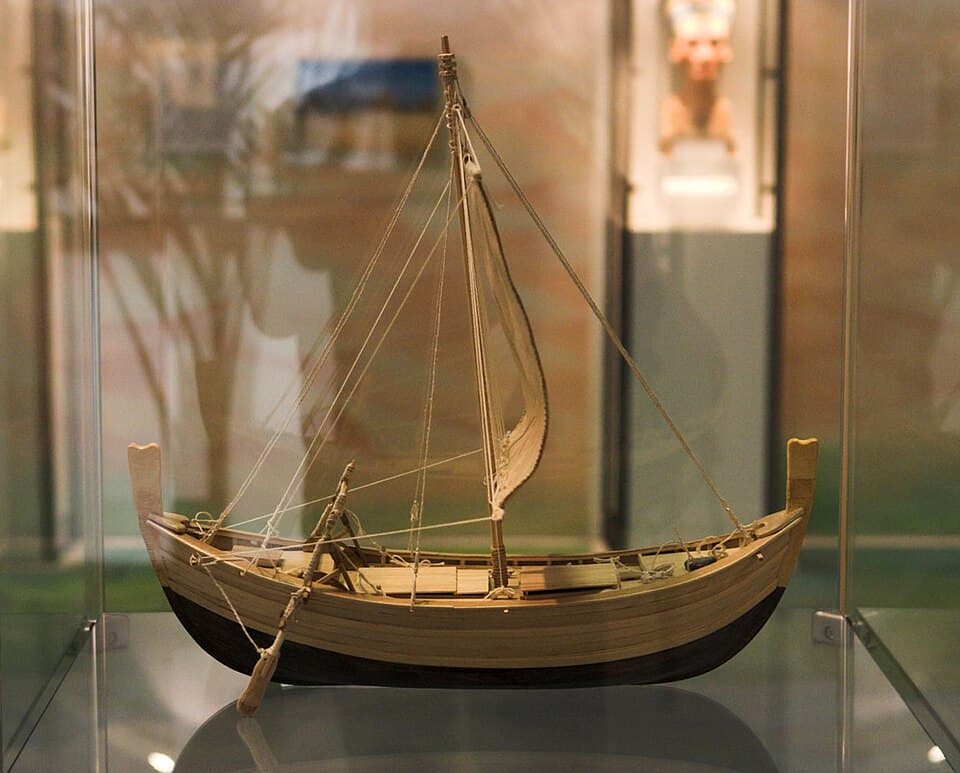
What is the evidence?
observation
A merchant vessel carrying copper, tin and a diverse cargo sank off southern Anatolia in the fourteenth century BCE.Review and provenance
Specialist reviewer: not recorded. Review date: not recorded.
Dataset workflow: proposed. This is separate from specialist review.
Confidence describes the stated assessment; it does not certify expert approval. How review works.
Chronology
Dating intervals may describe uncertainty or phases; their width alone does not establish event duration.
1335 BCE–1305 BCE
Precision: approximate wreck date
highPreferred range used by the event. Plausible bounds and alternative models remain explicit rather than averaged.
- supports · provides archaeological observation
The Uluburun shipwreck: an overview — Cemal Pulak (1998)Provides wreck, cargo and dating overview.
Locator: pp. 188-224
Interpretation and caveats
The wreck provides a vivid snapshot of eastern Mediterranean exchange. No direct relationship to France is asserted in this package.
Event context
Classification
Event type: shipwreck and exchange snapshot
Evidence layer: archaeological
Timeline role: general world context
People and places
Locations: Uluburun shipwreck
Why it matters to the timeline
The wreck helps readers orient the scale and material diversity of contemporaneous eastern Mediterranean exchange while explicitly avoiding an unsupported connection to France.
Research notes
- Provides wreck, cargo and dating overview. Role: provides archaeological observation. Locator: pp. 188-224.
Evidence and sources
- supports · provides archaeological observation
The Uluburun shipwreck: an overview — Cemal Pulak (1998)Provides wreck, cargo and dating overview.
Locator: pp. 188-224
Referenced records
- Uluburun shipwreck · entity