7 minute journey
Follow the copper
A mine, a workshop, a cargo, and a recycled object reveal different parts of exchange.

1 · From ore to metal
Primary smelting turns ore into metal-bearing products. Politiko-Phorades supplies evidence for this stage on Cyprus. A smelting site is a source of evidence about production, not proof of the destination of every batch.
Explore the evidence for this chapter
- Primary copper smelting at Politiko-Phorades
Furnaces, slag, technical ceramics, ore, and metallurgical residues document primary smelting near ore-bearing foothills.
Evidence confidence: near certain1 source links · Inspect sources and qualifications
2 · Urban skill
At Enkomi, technical ceramics reveal secondary processing, including refining, alloying, casting and recycling. Keep these stages distinct: evidence for a workshop is not automatically evidence for an ore mine or primary smelting.
Explore the evidence for this chapter
- Secondary copper processing at Enkomi
Metallurgical ceramics and debris document matte processing, refining, alloying, melting, casting, and recycling in urban workshops.
Evidence confidence: very high1 source links · Inspect sources and qualifications
3 · A cargo interrupted
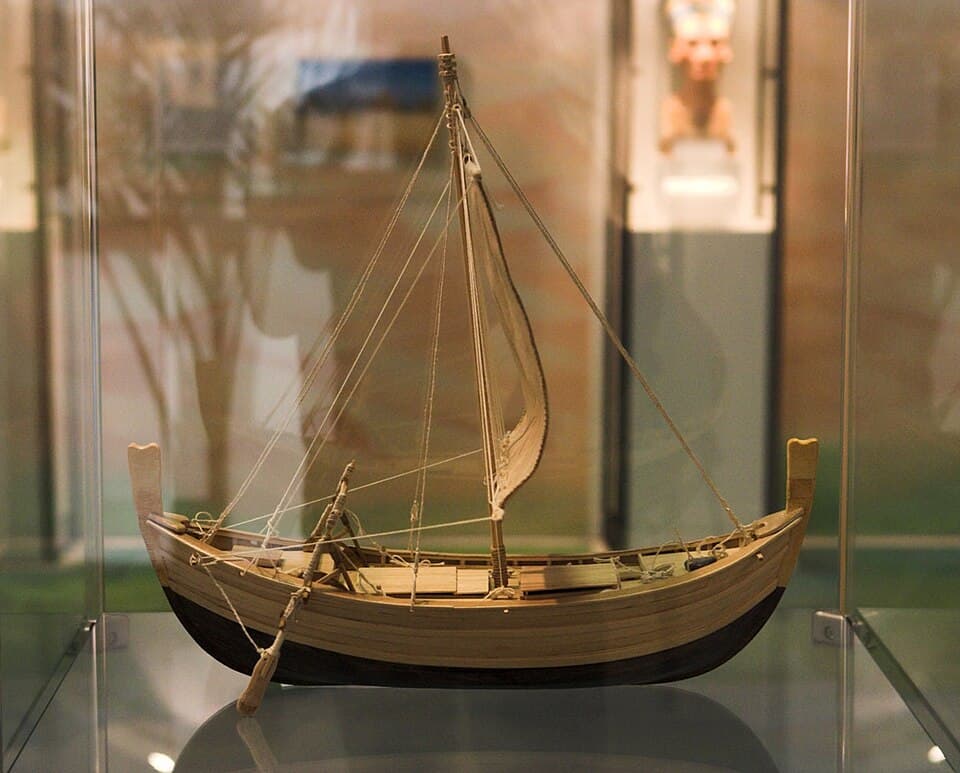
The Uluburun wreck preserves copper and tin ingots with other materials and finished goods. It is a snapshot of exchange, not a complete map of a trading system. Scientific provenance arguments must be compared with alternatives; a proposed origin is not a demonstrated route.
Explore the evidence for this chapter
- Loss of the Uluburun Ship
A richly laden merchant vessel sank off the Anatolian coast, preserving evidence for wide-ranging Late Bronze Age exchange.
Evidence confidence: high2 source links · Inspect sources and qualifications - Loss of the Uluburun copper-ingot cargo
A ship sank off southwest Anatolia carrying hundreds of copper oxhide ingots and a diverse eastern Mediterranean cargo.
Evidence confidence: very high2 source links · Inspect sources and qualifications
4 · Repair is also an economic connection
Kition’s workshop evidence includes repair and recycling. Existing metal can circulate and be worked again. Changes in long-distance supplies therefore need not imply an immediate end to local production.
Think it through: Why might a workshop continue after one source of supply became unreliable?
Explore the evidence for this chapter
- Metalworking and recycling at Kition
Workshop assemblages document melting, casting, repair, recycling, and continued metalworking across the transition.
Evidence confidence: very high2 source links · Inspect sources and qualifications
Atlas editorial synthesis · prepared with Codex · 6 September 2026 · specialist review pending · Editorial changes