event · evt_srsc1_urartu_state_emergence
Emergence of the Urartian state
Inscriptions and state material practices document the consolidation of Urartu in the Lake Van region and its growing northern and eastern engagement during the ninth century BCE.
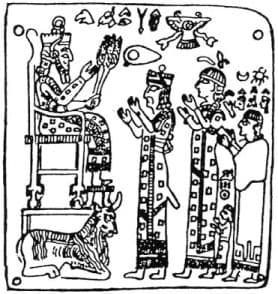
What is the evidence?
observation
Inscriptions and state material practices document the consolidation of Urartu in the Lake Van region and its growing northern and eastern engagement during the ninth century BCE.The state is securely attested by inscriptions and archaeology; antecedent mechanisms and population identities remain debated.
Inspect the sources →Review and provenance
Specialist reviewer: not recorded. Review date: not recorded.
Dataset workflow: proposed. This is separate from specialist review.
Confidence describes the stated assessment; it does not certify expert approval. How review works.
Chronology
Dating intervals may describe uncertainty or phases; their width alone does not establish event duration.
860 BCE–800 BCE
Precision: range
Chronology model: release preferred synthesis
very highPreferred display range synthesized from the cited source roles. It preserves a range and does not imply every component occurred continuously or synchronously.
- contextualizes · dates and contextualizes
The Kingdom of Urartu — Yervand H. Grekyan (2023)Provides the current synthesis.
Locator: Ninth-century state formation, political history, and geography - proposes · proposes interpretation
Urartian Material Culture as State Assemblage: An Anomaly in the Archaeology of Empire — Paul E. Zimansky (1995)Separates state material culture from population identity.
Locator: State assemblage model and conclusions - contradicts_or_criticizes · critiques identity equation
Urartian and the Urartians — Paul E. Zimansky (2012)Distinguishes state, language, and populations.
Locator: pp. 548–559
840 BCE–800 BCE
Precision: range
Chronology model: narrow state consolidation model
moderateA narrower model distinguishes earlier Uruatri/Nairi attestations from mature state consolidation in the mid-ninth century. This remains separate from the preferred display range.
- contextualizes · dates and contextualizes
The Kingdom of Urartu — Yervand H. Grekyan (2023)Provides the current synthesis.
Locator: Ninth-century state formation, political history, and geography - proposes · proposes interpretation
Urartian Material Culture as State Assemblage: An Anomaly in the Archaeology of Empire — Paul E. Zimansky (1995)Separates state material culture from population identity.
Locator: State assemblage model and conclusions - contradicts_or_criticizes · critiques identity equation
Urartian and the Urartians — Paul E. Zimansky (2012)Distinguishes state, language, and populations.
Locator: pp. 548–559
Interpretation and caveats
Urartu is modeled as a new early first-millennium state, not the timeless political expression of earlier highland archaeological cultures or one homogeneous ethnicity.
Event context
Classification
Event type: state formation
Evidence layer: historical
Timeline role: regional core
People and places
Locations: Urartu, Uruatri, Nairi lands, Armenian Highland and Lake Sevan basins
Why it matters to the timeline
Urartu's emergence falls at the end of the interval and is a required subject for antecedents, textual names, and later political geography.
Research notes
- Provides the current synthesis. Role: dates and contextualizes. Locator: Ninth-century state formation, political history, and geography.
- Separates state material culture from population identity. Role: proposes interpretation. Locator: State assemblage model and conclusions.
- Distinguishes state, language, and populations. Role: critiques identity equation. Locator: pp. 548–559.
Evidence and sources
- contextualizes · dates and contextualizes
The Kingdom of Urartu — Yervand H. Grekyan (2023)Provides the current synthesis.
Locator: Ninth-century state formation, political history, and geography - proposes · proposes interpretation
Urartian Material Culture as State Assemblage: An Anomaly in the Archaeology of Empire — Paul E. Zimansky (1995)Separates state material culture from population identity.
Locator: State assemblage model and conclusions - contradicts_or_criticizes · critiques identity equation
Urartian and the Urartians — Paul E. Zimansky (2012)Distinguishes state, language, and populations.
Locator: pp. 548–559
Referenced records
- Armenian Highland and Lake Sevan basins · entity
- Nairi lands · entity
- Uruatri · entity
- Urartu · entity